


Black and white photography has an enduring charm that transcends time and trends
By stripping away color, it allows us to focus on the essential elements of composition, texture, and contrast, resulting in evocative and powerful images. In this blog post, we will delve into the world of black and white photography, exploring timeless techniques that can elevate your monochromatic creations. We’ll also showcase inspiring examples from talented photographers across the internet, providing you with a visual feast of artistic brilliance.
The Power of Composition
Composition is the backbone of any photograph, and in black and white photography, it becomes even more critical. Emphasize strong lines, leading the viewer’s eye through the frame. Experiment with the rule of thirds, framing subjects off-center for a visually appealing balance. Explore symmetry and patterns to create striking visual impact. Remember, in the absence of color, shapes, textures, and lines take center stage, adding depth and interest to your images.
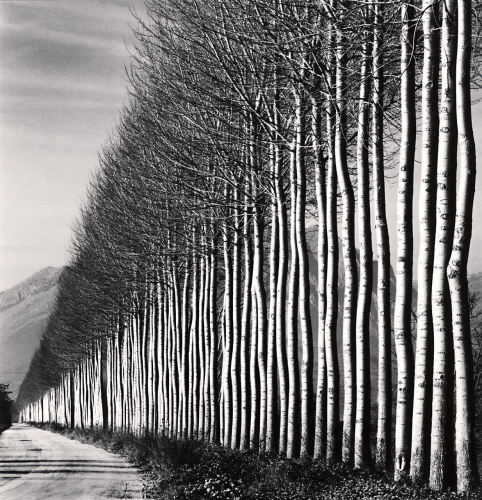
Example: Check out the breathtaking black and white architectural photography of Michael Kenna, where he beautifully plays with geometry and composition to capture ethereal scenes.
Contrast and Dynamic Range
Black and white photography thrives on contrast, as it helps define shapes and adds drama to your images. Aim for a wide dynamic range, with deep blacks and bright whites, to create a striking visual impact. Experiment with different lighting conditions to enhance contrast—soft, diffused light for gentle tonal variations, or harsh light for bold and high-contrast scenes.

Example: Ansel Adams, a renowned black and white landscape photographer, mastered the art of contrast. His iconic photograph, “Moonrise, Hernandez,” showcases the interplay between dark foreground and illuminated mountains, creating a mesmerizing contrast.
Texture and Detail
In monochromatic photography, texture takes on a whole new level of significance. Capture the intricate details and textures of your subjects to add depth and tactile appeal to your images. Experiment with different angles, lighting, and post-processing techniques to emphasize texture and bring it to life.

Example: Joel Tjintjelaar is a master of capturing textures in black and white architectural photography. His work beautifully showcases the interplay between light and shadow, revealing the intricate details and textures of buildings.
Conclusion
Black and white photography is an art form that allows us to explore the essence of visual storytelling. By employing techniques such as strong composition, contrast, texture, and emotional storytelling, you can create timeless and captivating monochromatic images. As you embark on your black and white photography journey, draw inspiration from the works of accomplished photographers and continue to refine your craft. Remember, each click of the shutter holds the potential to capture a moment of enduring beauty.
Michael Kenna’s official website: https://www.michaelkenna.com/gallery.php?id=102
Ansel Adams’ iconic photograph “Moonrise, Hernandez”: https://shop.anseladams.com/collections/original-photographs-by-ansel-adams/products/sand-fence-near-keeler
Joel Tjintjelaar’s black and white architectural photography: https://visitqatar.com/intl-en/things-to-do/art-culture/arts-crafts/meet-joel-tjintjelaar